How to Properly Check Transmission Fluid: A Guide to Checking Transmission Fluid Level
Keeping your vehicle’s transmission fluid at the right level is essential for smooth shifting and long transmission life. If you’ve never checked your transmission fluid before, it might seem a bit intimidating. But don’t worry - I’m here to walk you through the process step-by-step. This guide will help you understand why it’s important, how to do it correctly, and what to look for when checking your transmission fluid.
Why Checking Transmission Fluid Level Matters
Transmission fluid is the lifeblood of your vehicle’s transmission system. It lubricates the moving parts, cools the transmission, and helps transfer power from the engine to the wheels. If the fluid level is too low, your transmission can overheat or wear out prematurely. Too much fluid can cause foaming and erratic shifting.
Regularly checking your transmission fluid level helps you catch problems early. It can prevent costly repairs and keep your vehicle running smoothly. Plus, it’s a simple maintenance task you can do yourself with just a few tools.

Tips for Checking Transmission Fluid Level Safely and Effectively
Before you start, here are some important tips to keep in mind:
Check your owner’s manual: Different vehicles have different procedures and fluid types. Your manual will tell you exactly what to do.
Warm up your vehicle: Transmission fluid expands when warm, so it’s best to check the level after driving for 10-15 minutes.
Park on a level surface: This ensures an accurate reading.
Use gloves and rags: Transmission fluid can be hot and messy.
Have a clean container ready: In case you need to add or replace fluid.
Following these tips will make the process easier and safer.
What is the proper way to check transmission fluid level?
Now, let’s get into the proper way to check your transmission fluid level. Here’s a simple step-by-step guide:
Start your engine and let it idle: Keep your foot on the brake and shift through all the gears slowly, ending in Park or Neutral (check your manual for the correct position).
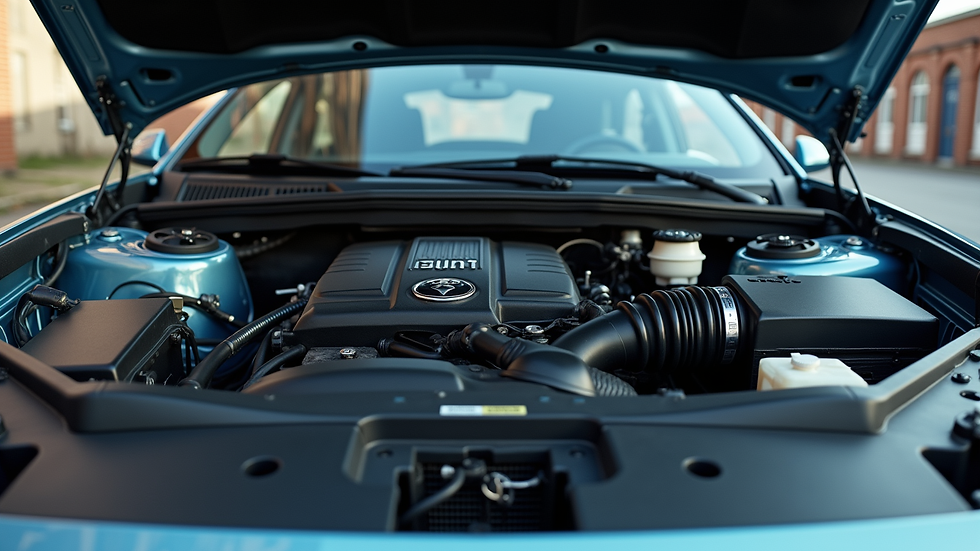
Open the hood and locate the transmission dipstick: It usually has a brightly colored handle (red, yellow, or orange) and is labeled.
Pull out the dipstick and wipe it clean: Use a lint-free rag or paper towel.
Reinsert the dipstick fully, then pull it out again: This second reading will show the current fluid level.
Check the fluid level against the markings: The dipstick will have “Full” and “Add” or “Low” marks. The fluid should be between these marks.
Inspect the fluid color and smell: Healthy transmission fluid is usually bright red and smells slightly sweet. Dark brown or burnt-smelling fluid indicates it’s time for a change.
Add fluid if necessary: Use the type recommended in your owner’s manual. Add a little at a time and recheck the level to avoid overfilling.
If you’re unsure about any step, it’s always a good idea to consult a professional.
Signs Your Transmission Fluid Needs Attention
Knowing when to check your transmission fluid is important, but recognizing signs of trouble is just as crucial. Here are some common symptoms that indicate your transmission fluid might need to be checked or replaced:
Delayed or rough shifting: Hesitation or jerking when changing gears.
Transmission slipping: The engine revs but the vehicle doesn’t accelerate properly.
Unusual noises: Grinding or whining sounds from the transmission.
Fluid leaks: Puddles of red or brown fluid under your vehicle.
Burning smell: Overheated transmission fluid can emit a burnt odor.
If you notice any of these signs, checking your transmission fluid level and condition should be your first step.
How Often Should You Check and Change Transmission Fluid?
Transmission fluid doesn’t last forever. How often you should check and change it depends on your vehicle and driving habits. Here are some general guidelines:
Check fluid level: At least once a month or every 1,000 miles.
Change fluid: Typically every 30,000 to 60,000 miles, but check your owner’s manual for specific intervals.
Severe driving conditions: If you tow heavy loads, drive in stop-and-go traffic, or in extreme temperatures, check and change fluid more frequently.
Regular maintenance helps avoid transmission problems and extends the life of your vehicle.
When to Seek Professional Help
While checking your transmission fluid is a simple task, some issues require expert attention. If you find the fluid level is consistently low, or the fluid looks burnt or contaminated, it’s time to visit a trusted transmission specialist.
Professional technicians can perform a full transmission inspection, flush old fluid, and replace filters if needed. They also have the tools to diagnose deeper problems that might not be obvious during a simple fluid check.
Remember, keeping your transmission fluid in good shape is key to avoiding costly repairs down the road.
Final Thoughts on Checking Transmission Fluid Level
Knowing how to check your transmission fluid level is a valuable skill that can save you time and money. It’s a quick, easy way to keep your vehicle running smoothly and catch potential problems early.
If you want to learn more about how to check transmission fluid level, or need professional transmission service, don’t hesitate to reach out to a trusted local shop. Taking care of your transmission today means a smoother ride tomorrow.


Comments