Brake Service Cost Guide: Understanding the Costs of Brake Service
When it comes to keeping your vehicle safe and reliable, brakes are one of the most important components to maintain. But understanding the costs involved in brake service can be confusing. How much should you expect to pay? What factors influence the price? And how do you know if you really need a brake service in the first place?
In this guide, I’ll walk you through everything you need to know about brake service costs. I’ll break down the different types of brake repairs, explain what affects pricing, and offer practical tips to help you make smart decisions for your vehicle. Let’s get started!
Brake Service Cost Guide: What You Need to Know
Brake service costs can vary widely depending on several factors. Here’s a quick overview of what influences the price:
Type of brake service needed: Simple brake pad replacement costs less than a full brake system overhaul.
Vehicle make and model: Some cars have more expensive parts or require more labor.
Parts quality: OEM (original equipment manufacturer) parts usually cost more than aftermarket options.
Labor rates: Repair shops charge different hourly rates depending on location and expertise.
Additional repairs: Sometimes, rotors, calipers, or brake lines need replacement, which adds to the cost.
Typical Brake Service Costs
Brake pad replacement: $100 to $300 per axle
Rotor resurfacing or replacement: $150 to $400 per axle
Caliper replacement: $200 to $500 per caliper
Full brake system service: $300 to $800 or more
Keep in mind these are general estimates. Your actual cost may be higher or lower depending on your vehicle and the shop you choose.

How to Save on Brake Service
Shop around: Get quotes from multiple shops to compare prices.
Ask about parts options: Sometimes aftermarket parts offer good quality at a lower price.
Regular maintenance: Catching brake issues early can prevent costly repairs later.
Bundle services: If you need other repairs, ask if the shop offers discounts for multiple services.
Is a Brake Inspection Worth It?
You might wonder if paying for a brake inspection is really necessary. The answer is yes, and here’s why:
Early detection: A professional inspection can catch worn pads, damaged rotors, or fluid leaks before they become serious problems.
Safety: Brakes are critical for your safety. An inspection ensures your vehicle stops reliably.
Cost savings: Fixing small issues early can save you from expensive repairs down the road.
Peace of mind: Knowing your brakes are in good shape gives you confidence on the road.
Most shops offer brake inspections for free or a small fee. It’s a smart investment that can protect you and your vehicle.
What Happens During a Brake Service?
Understanding what mechanics do during a brake service can help you feel more confident about the process. Here’s a step-by-step look:
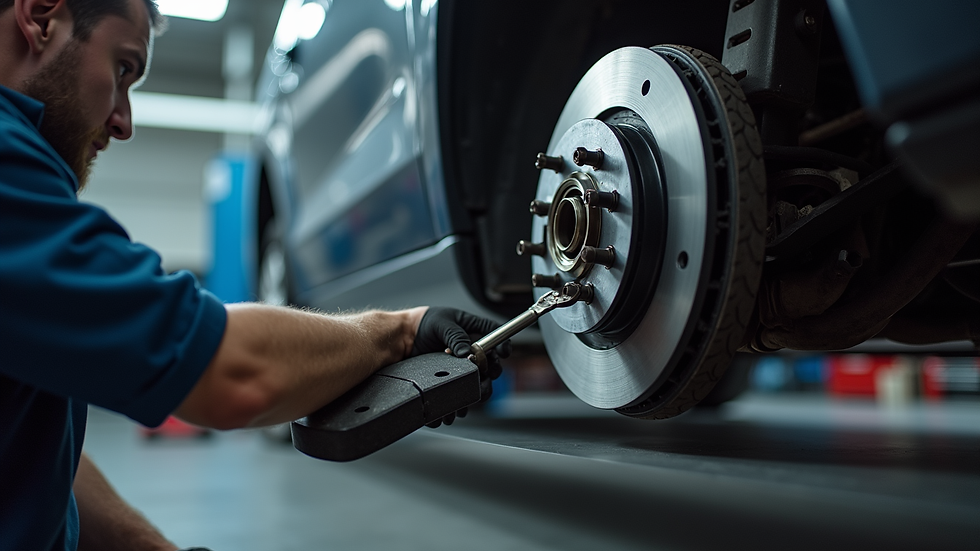
Visual inspection: The technician checks brake pads, rotors, calipers, and brake lines for wear or damage.
Measuring pad thickness: Brake pads have a minimum thickness; if they’re too thin, they need replacement.
Rotor check: Rotors are inspected for grooves, warping, or cracks.
Brake fluid check: Fluid levels and condition are assessed; old fluid may be flushed and replaced.
Test drive: The mechanic tests the brakes to check for noise, vibration, or pulling.
Parts replacement: Worn or damaged parts are replaced as needed.
Final inspection and testing: After repairs, the brakes are tested again to ensure proper function.
Knowing these steps can help you ask the right questions and understand the work being done.
How to Choose the Right Brake Service Shop
Finding a trustworthy shop is key to getting quality brake service at a fair price. Here are some tips:
Look for certifications: Shops with ASE-certified technicians have proven skills.
Read reviews: Check online reviews to see what other customers say.
Ask about warranties: Good shops offer warranties on parts and labor.
Get a detailed estimate: A clear breakdown of costs helps avoid surprises.
Choose local: Supporting a local shop can mean better service and community trust.
At Dowriver Quality Transmission, we specialize in transmission services but also provide comprehensive vehicle maintenance, including brake repairs. Our goal is to be your trusted go-to shop for all your automotive needs.
When to Schedule Brake Service
Knowing when to get your brakes serviced can save you money and keep you safe. Here are some signs it’s time to visit the shop:
Squeaking or grinding noises when braking
Vibration or pulsation in the brake pedal
Longer stopping distances
Brake warning light on your dashboard
Soft or spongy brake pedal feel
Don’t wait for a complete brake failure. If you notice any of these symptoms, schedule a brake inspection right away.
If you want to get a better idea of the cost of brake service check, it’s a good idea to contact your local shop for a personalized quote.
Keeping Your Brakes in Top Shape
Regular maintenance is the best way to avoid costly brake repairs. Here are some simple tips:
Drive smoothly: Avoid hard braking whenever possible.
Check brake fluid regularly and top off if needed.
Have brakes inspected at least once a year or every 12,000 miles.
Replace brake pads before they wear down completely.
Listen and feel for any changes in braking performance.
By staying proactive, you’ll extend the life of your brakes and keep your vehicle safe on the road.
Understanding the costs and process of brake service helps you make informed decisions and avoid surprises. Whether you need a simple pad replacement or a full brake system repair, knowing what to expect puts you in control. Remember, regular inspections and timely maintenance are key to safe driving and protecting your investment. When it’s time for brake service, choose a trusted shop that values quality and customer satisfaction. Your safety depends on it!


Comments